
July 31, 2026
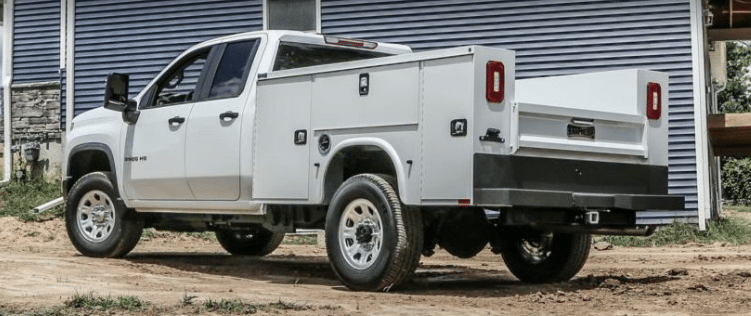
A standard service body and a mechanic body can both turn a truck into a capable mobile workspace, but they are built for different levels of work.
For many contractors and technicians, a service body provides the storage, organization, and accessibility needed for daily calls. For crews performing field repairs on heavy equipment, carrying larger tools, or operating a crane, a mechanic body may be the better fit.
The key is understanding what the crew actually needs the truck to do.
A service body adds secure exterior compartments around an open cargo area. It gives crews dedicated storage for tools, parts, materials, and supplies while preserving space for larger cargo.
A steel service body or aluminum service body can work well for:
The built-in compartments help keep tools organized and accessible rather than piled in a standard pickup bed. Knapheide explains that service bodies combine an open bed with external storage, allowing field technicians to carry equipment while maintaining access to larger cargo.
For many operations, that balance is exactly what the crew needs.
A mechanic body is designed for more specialized field repair and equipment maintenance.
In addition to tool storage, it may include or support:
Instead of simply bringing tools to a jobsite, the truck functions more like a mobile repair shop.
That level of capability is especially useful for crews maintaining construction equipment, agricultural machinery, municipal vehicles, utility equipment, or other assets that cannot easily be transported back to a shop.
Knapheide’s overview of mechanic truck buying considerations highlights the importance of matching the body, crane, chassis, and gross vehicle weight rating. A large crane and heavily equipped body require enough chassis capacity to operate safely and carry the crew’s tools and supplies.
The decision usually becomes clearer when you stop comparing body names and start looking at the crew’s actual responsibilities.
The mechanic body is not simply a larger service body. It is a more specialized system designed around field repair.
One of the most important parts of planning either setup is calculating the completed weight of the vehicle.
That includes:
A truck that appears capable on paper can quickly run short on payload once all the equipment is installed.
The body and chassis need to be planned together. Cab-to-axle measurement, chassis class, gross vehicle weight rating, axle ratings, and weight distribution all influence what can be installed safely.
This is especially important for mechanic bodies because cranes and support equipment add significant weight. Selecting the crane first without considering the rest of the truck can create compatibility and payload problems later.
A crane is one of the clearest dividing lines between many service bodies and mechanic bodies.
Before adding one, consider:
The rated capacity of a crane changes as the boom extends, so maximum lifting capacity alone does not tell the whole story. The crane needs to be evaluated based on the actual weight and working radius expected in the field.
For jobs that involve repeated heavy lifting, equipment such as cranes and hoists can reduce manual handling and make the truck significantly more capable. OSHA also recommends using lifting devices to reduce forceful exertion and limit the physical strain of moving heavy objects.
Both body types offer storage, but the layout should reflect how the crew works.
A good configuration considers:
Placing tools randomly into available compartments may technically make everything fit, but it will not necessarily create an efficient workspace.
Frequently used items should be easy to reach. Heavier equipment should be positioned to support balanced weight distribution and reduce awkward handling. OSHA’s ergonomics guidance recommends minimizing the distance between workers and the objects they handle and reducing bending or excessive reaching whenever possible.
A crew working on paved municipal lots has different needs than one repairing equipment in fields, construction sites, or remote locations.
Consider:
A mechanic body intended for remote repairs may need more onboard capability than one used primarily near a central facility. That could include additional lighting, power generation, compressed air, fluid storage, or recovery equipment.
Knapheide’s example of a farm mechanic truck built as a mobile shop shows how field-repair trucks can be configured with organized drawers, power equipment, and specialized tools to help keep farm machinery operating.
The truck will likely remain in service for years, so it should support more than the crew’s immediate needs.
Before finalizing the setup, ask:
There is a balance to find. Overbuilding can add unnecessary cost and weight, but underbuilding can lead to expensive modifications or early replacement.
Choose a service body when the primary need is organized storage, easy tool access, and flexible cargo space.
Choose a mechanic body when the crew needs a true mobile repair platform with lifting capability, onboard power, and equipment for performing heavier field work.
The decision should be based on:
The right body is not necessarily the one with the most equipment. It is the one that gives the crew the capability they need without adding unnecessary weight, complexity, or cost.
When the body, chassis, storage layout, and equipment are planned together, the finished truck becomes a dependable part of the operation instead of another limitation the crew has to work around.
Explore available mechanic bodies and service body options, or speak with the service and upfitting team about building a setup around the work your crew performs every day.