
January 20, 2026
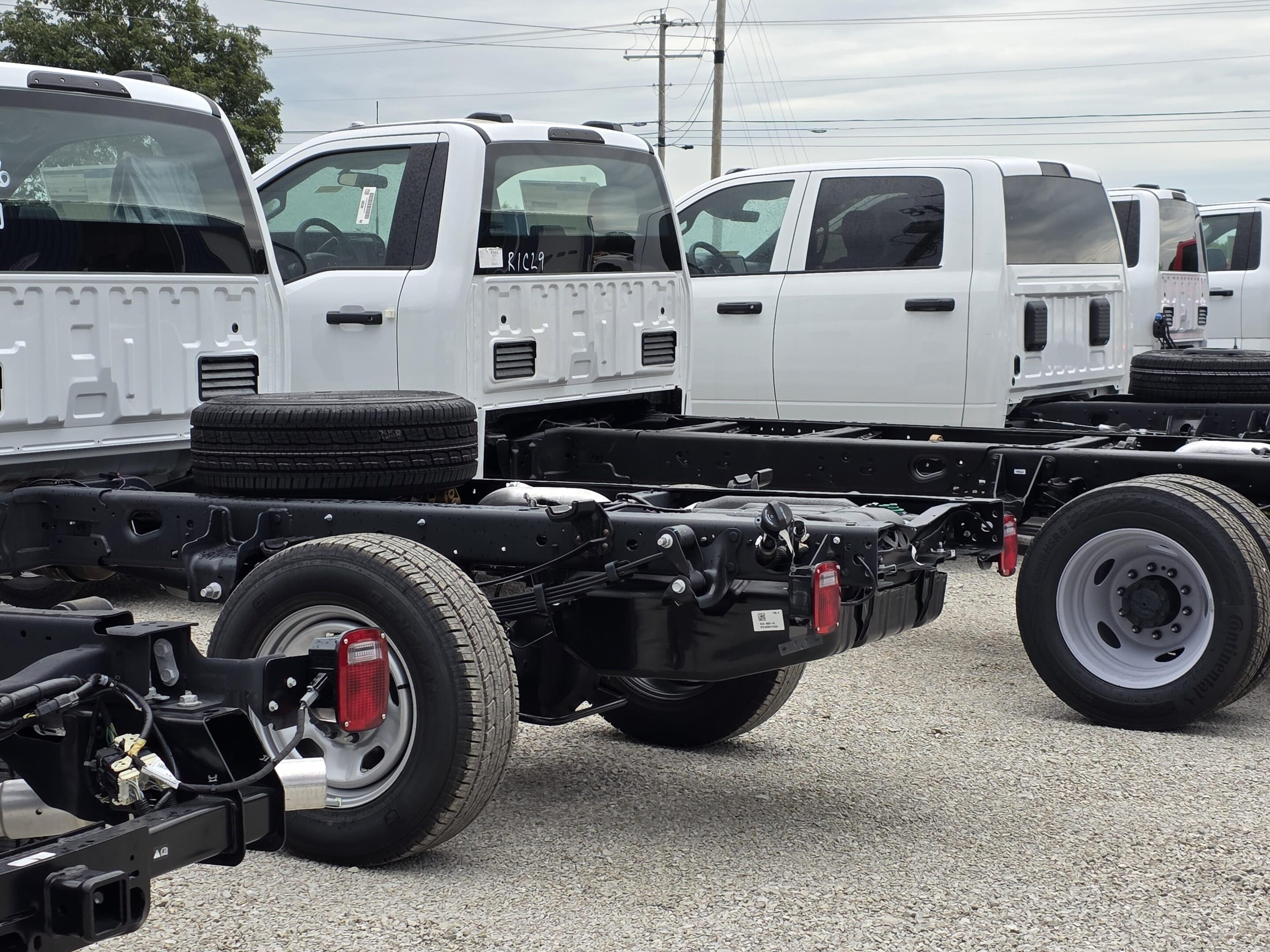
As businesses grow, fleet decisions become more complex. What works when you have two or three trucks often breaks down once you reach ten, twenty, or more vehicles. Inconsistent equipment, layouts, and maintenance requirements can quietly increase costs and reduce efficiency over time.
Fleet standardization is one of the most common strategic conversations we have with contractors, service companies, and municipalities across Central Indiana. Some organizations see immediate benefits. Others discover that a fully standardized approach may not be the right fit—at least not yet.
Understanding when, why, and how to standardize your fleet is critical to making the right decision.
Fleet standardization is not about forcing every truck to be identical. At its core, it is about intentional consistency.
A standardized fleet typically includes:
Instead of making decisions truck by truck, companies establish a baseline configuration that can be replicated and refined over time.
At Clark Truck Equipment, we often help fleets develop a “core build” that supports the majority of daily work while allowing targeted modifications for specialized roles.
Fleet standardization usually becomes a serious discussion when operational friction starts to appear.
Common triggers include:
According to the National Association of Fleet Administrators (NAFA), reducing vehicle and equipment variability is one of the most effective ways fleets can improve efficiency and control total cost of ownership.
When trucks share common components, maintenance becomes simpler and more predictable. Technicians recognize equipment layouts, parts inventories are easier to manage, and service timelines improve.
Standardized fleets benefit from:
NAFA notes that standardized fleets often experience improved uptime and lower long-term maintenance costs compared to highly customized fleets with mixed equipment.
Standardized trucks reduce the learning curve for drivers and technicians. Controls are familiar, tools are stored in the same locations, and safety equipment is consistent across vehicles.
This consistency:
The Occupational Safety and Health Administration (OSHA) emphasizes the importance of consistent equipment and training in reducing workplace incidents—especially in material handling and vehicle operations.
Standardization allows fleet managers to budget with greater accuracy. When build costs and equipment specs are known, businesses can plan purchases proactively instead of reacting to immediate needs.
Standardized fleets also benefit from:
Over time, this predictability supports better financial planning and more controlled growth.
While the benefits are significant, standardization is not always the right solution for every operation.
Some fleets support multiple job functions that require different tools, layouts, or equipment. Over-standardizing can lead to inefficiencies for specialized crews.
Examples include:
This is why many fleets adopt a hybrid approach—a standardized base build with role-specific add-ons such as plows, liftgates, or specialty storage.
Fleet standardization requires thoughtful planning and internal alignment. Businesses must evaluate how trucks are actually used—not just how they are intended to be used.
Successful planning includes:
Without this alignment, standardization can feel restrictive rather than supportive.
Fleet standardization is often a strong fit when:
For organizations investing in fleet truck outfitting, standardization creates a scalable foundation that supports efficiency rather than slowing operations.
Fleet standardization is rarely successful without an experienced upfit partner. The right partner helps translate operational goals into practical, repeatable truck builds.
A strong upfit partner will:
As a trusted provider of Central Indiana truck equipment, Clark Truck Equipment works closely with fleets to design standardized builds that are durable, adaptable, and realistic for local operating conditions.
Fleet standardization is not about limiting your operation—it is about building systems that support sustainable growth. When done correctly, it improves efficiency, reduces friction, and helps control long-term costs.
If your organization is reviewing fleet strategy this year, now is the time to assess whether standardization aligns with your goals.Clark Truck Equipment helps Central Indiana fleets evaluate options, design scalable builds, and support vehicles throughout their lifecycle.