
July 17, 2026
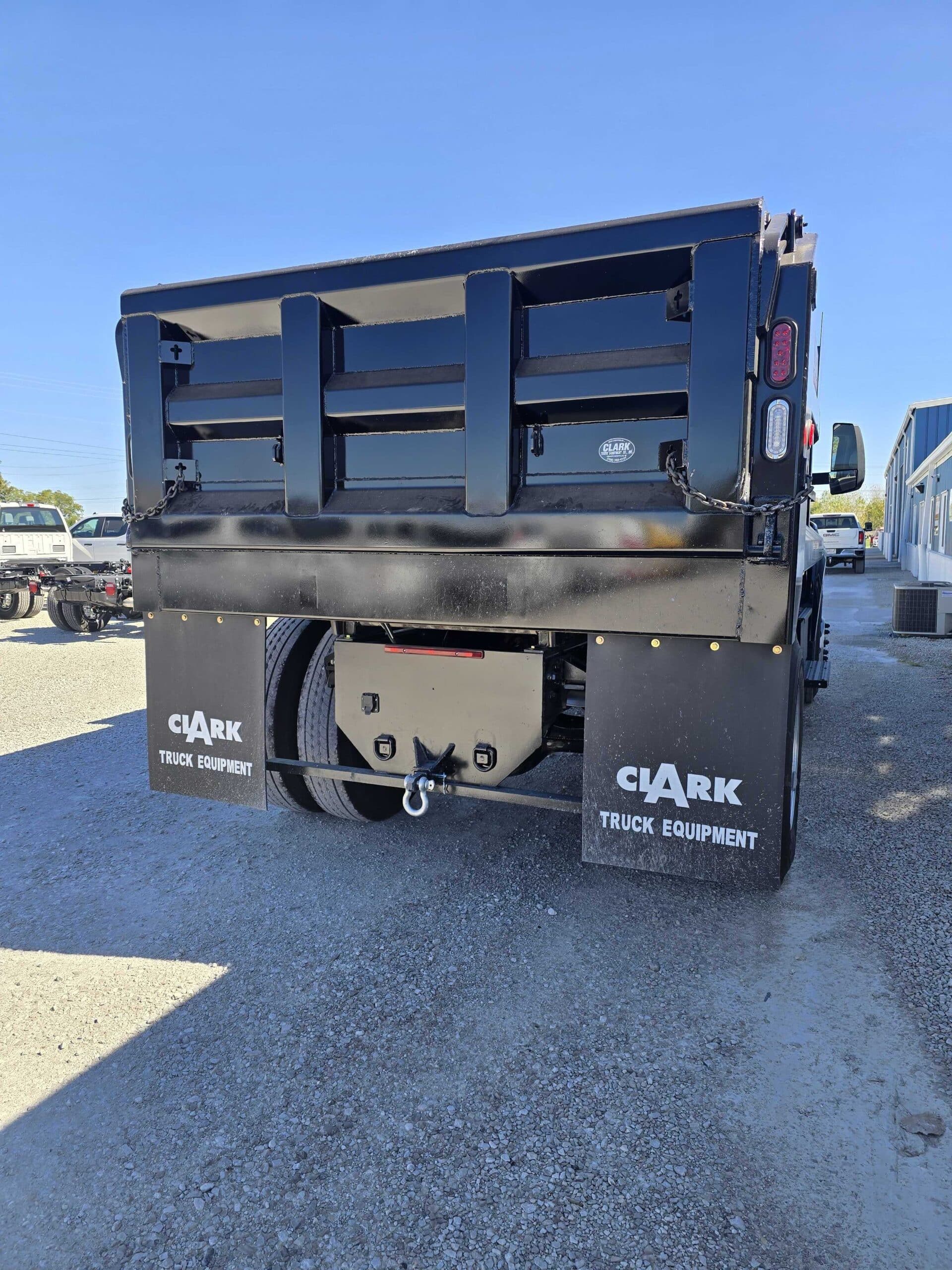
Not every hauling job calls for the same setup.
Two trucks may look similar at a glance, but if one crew is transporting equipment and another is constantly unloading bulk material, the right body choice can be very different. That is why choosing between a platform body and a dump body should come down to how the vehicle is actually used in the field.
The better the body matches the work, the easier it is to protect equipment, improve workflow, and get more value from the vehicle over time.
Platform bodies are often a good fit when the job calls for open, flexible hauling space.
That can make them useful for businesses transporting:
The big advantage is accessibility. With a more open layout, crews can load and unload from different angles and make better use of the available deck space.
A dump body is usually the better fit when the work involves repeated unloading of loose or bulk material.
That often includes:
For crews that are constantly hauling and unloading material, a dump body can save time and cut down on the extra labor that comes with manual unloading.
The best body choice usually becomes clearer once you stop thinking in general terms and start looking at day-to-day use.
A few questions can help:
Those answers usually point you in the right direction faster than specs alone.
A platform body may make more sense if your team needs flexibility more than containment.
It is often a strong option when:
That flexibility can be a big advantage for crews that do not want the body to limit what the truck can carry.
A dump body is usually the better choice when unloading efficiency is a daily need, not an occasional convenience.
It tends to be a smart fit when:
In those cases, a dump body is not just helpful. It is often the setup that makes the vehicle truly practical for the work.
Body choice matters, but so does everything around it.
Depending on the application, the vehicle may also need liftgates, cranes, or hoists, along with the right truck accessories to support how the crew actually works. A good build is not just about choosing a body. It is about making sure the whole setup fits the job.
There is no universally better choice between a platform body and a dump body. The better option is the one that fits the way the vehicle is used every day.
If the truck needs open hauling flexibility, a platform body may be the right fit. If the work depends on moving and unloading bulk material efficiently, a dump body may be the better investment.
The goal is not just to pick a body style. It is to build a vehicle that makes the day run smoother, works the way your crew works, and supports the job from the start.
If you want, I’ll turn these into polished final versions with meta descriptions and 4 social captions for each.