
October 1, 2026
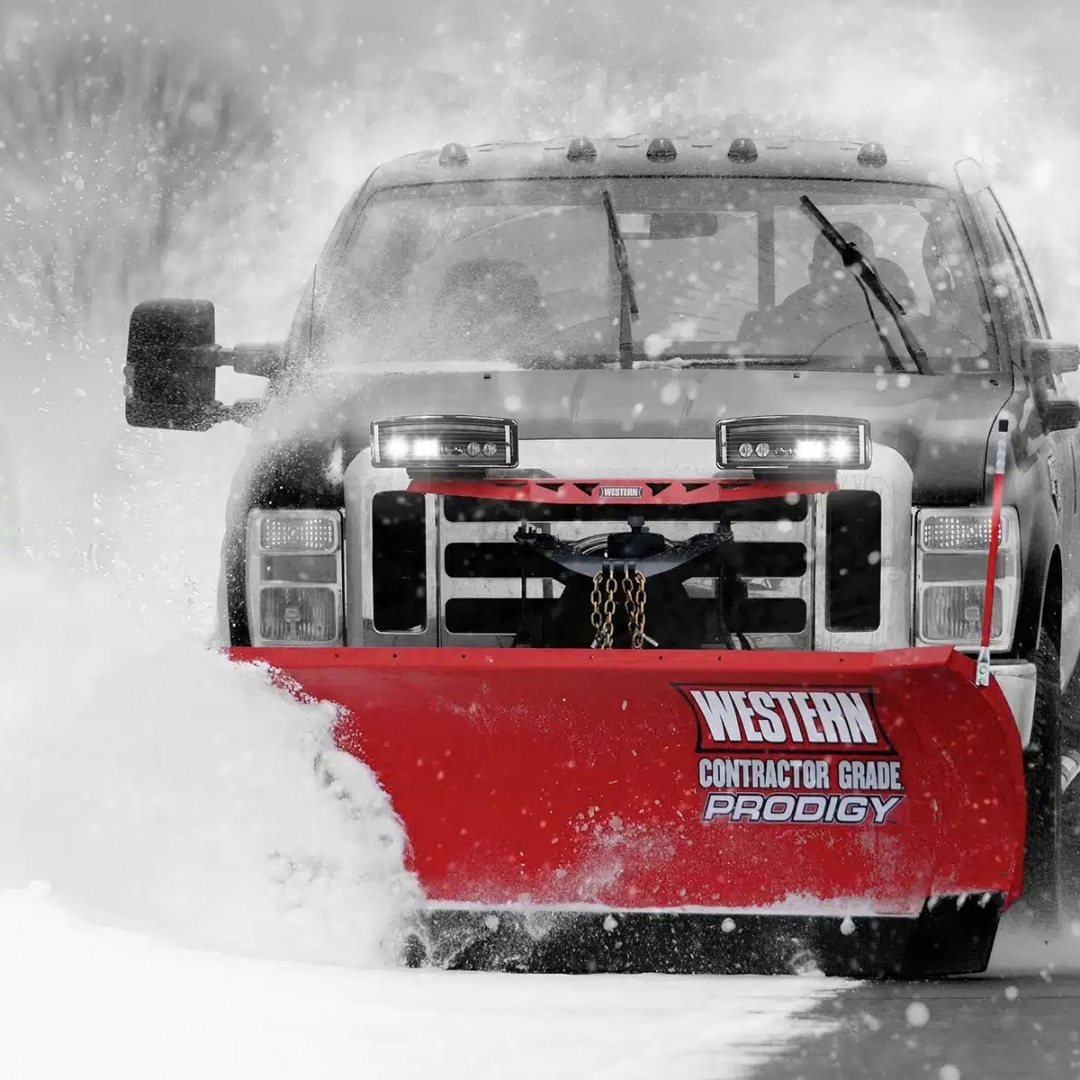
October is when winter prep starts becoming real.
For contractors, municipalities, service crews, and fleet managers, colder temperatures bring more than uncomfortable mornings. Snow, ice, road salt, shorter daylight hours, and freezing conditions can expose problems that were easy to overlook during the warmer months.
A compartment door that sticks in October may become much harder to deal with in January. A light that works inconsistently becomes a bigger problem when crews are finishing jobs after dark. A liftgate that hesitates now may create downtime when temperatures drop.
Taking time to review your work trucks before winter can help catch those problems while there is still time to address them.
Before looking at the body or equipment, make sure the truck itself is prepared for colder conditions.
The National Highway Traffic Safety Administration’s winter vehicle guidance recommends checking tire condition and pressure, batteries, exterior lights, windshield wipers, washer fluid, coolant, and other key vehicle systems before winter weather arrives. Tire pressure is especially important because it decreases as outside temperatures fall.
For a commercial work truck, that inspection should extend beyond the chassis.
Check:
The goal is to identify problems before the truck is needed on a freezing morning or during a winter storm.
Truck bodies spend the year exposed to tools, materials, jobsites, weather, and daily wear.
Before winter, inspect the body for:
If something needs attention, Clark Truck’s service department handles service body repair, liftgate repair, snow plow service, hoist repair, fleet upfits, and body work.
Winter is hard enough on equipment without carrying existing problems into the season.
Winter preparation is also a good opportunity to look beyond repairs.
Is the truck actually set up for the work your crew is doing?
A standard pickup bed may be fine for some operations, but technicians carrying tools, parts, and equipment throughout the day may benefit from more organized storage. Clark Truck’s guide comparing service bodies and mechanic bodies can help businesses determine which setup better matches the work being performed.
The difference becomes even more noticeable during winter. Crews wearing gloves should not have to unload half a truck to find one tool. Equipment should be secure, protected from weather, and easy to reach.
Indiana work trucks deal with rain, moisture, temperature swings, and road salt.
Those conditions make corrosion worth considering when inspecting older equipment or planning a future body replacement.
Clark Truck’s comparison of steel and aluminum service bodies explains the tradeoffs between steel’s rugged durability and aluminum’s lighter weight and corrosion resistance.
Neither material is automatically right for every truck. The important part is matching the body to the workload, environment, payload, and expected service life.
If your crew depends on a liftgate or hydraulic equipment, do not wait for the first cold day to find out something is wrong.
Run the equipment and look for:
For crews regularly moving heavy or awkward equipment, a liftgate can also reduce repetitive manual handling and speed up loading and unloading. Clark Truck’s guide to when a liftgate makes sense for a business looks at the workflow issues a liftgate can solve.
For trucks used in snow removal, October is the time to make sure the entire setup is operational.
Clark Truck’s snow removal equipment options include light-duty plows and spreaders as well as heavier equipment for municipal and state applications.
Before the season starts:
The timing matters. INDOT’s winter operations information notes that Indiana’s regular winter operations generally run from mid-November through mid-March, with crews preparing for snow and ice events throughout the season.
Shorter days make lighting especially important.
Check both the lights required for driving and the lights crews rely on while working. That may include compartment lights, work lights, strobes, beacons, and auxiliary lighting.
Visibility also matters on the road. The Federal Motor Carrier Safety Administration’s guidance on adverse driving conditions emphasizes adjusting speed for snow, ice, wet roads, reduced visibility, and other conditions that affect vehicle control.
The better the truck is prepared, the easier it is for the driver and crew to focus on the conditions around them.
Winter fleet preparation does not have to mean rebuilding every truck.
Sometimes it means replacing a latch. Sometimes it means servicing a liftgate. Sometimes it means repairing a body or getting a plow ready. And sometimes an inspection makes it clear that a truck’s current setup no longer supports the work.
October gives you time to figure that out before winter does it for you.
If your fleet needs service, repair, winter equipment, or a new upfit, Clark Truck Equipment can help you get the truck ready before colder weather settles in.