
September 15, 2026
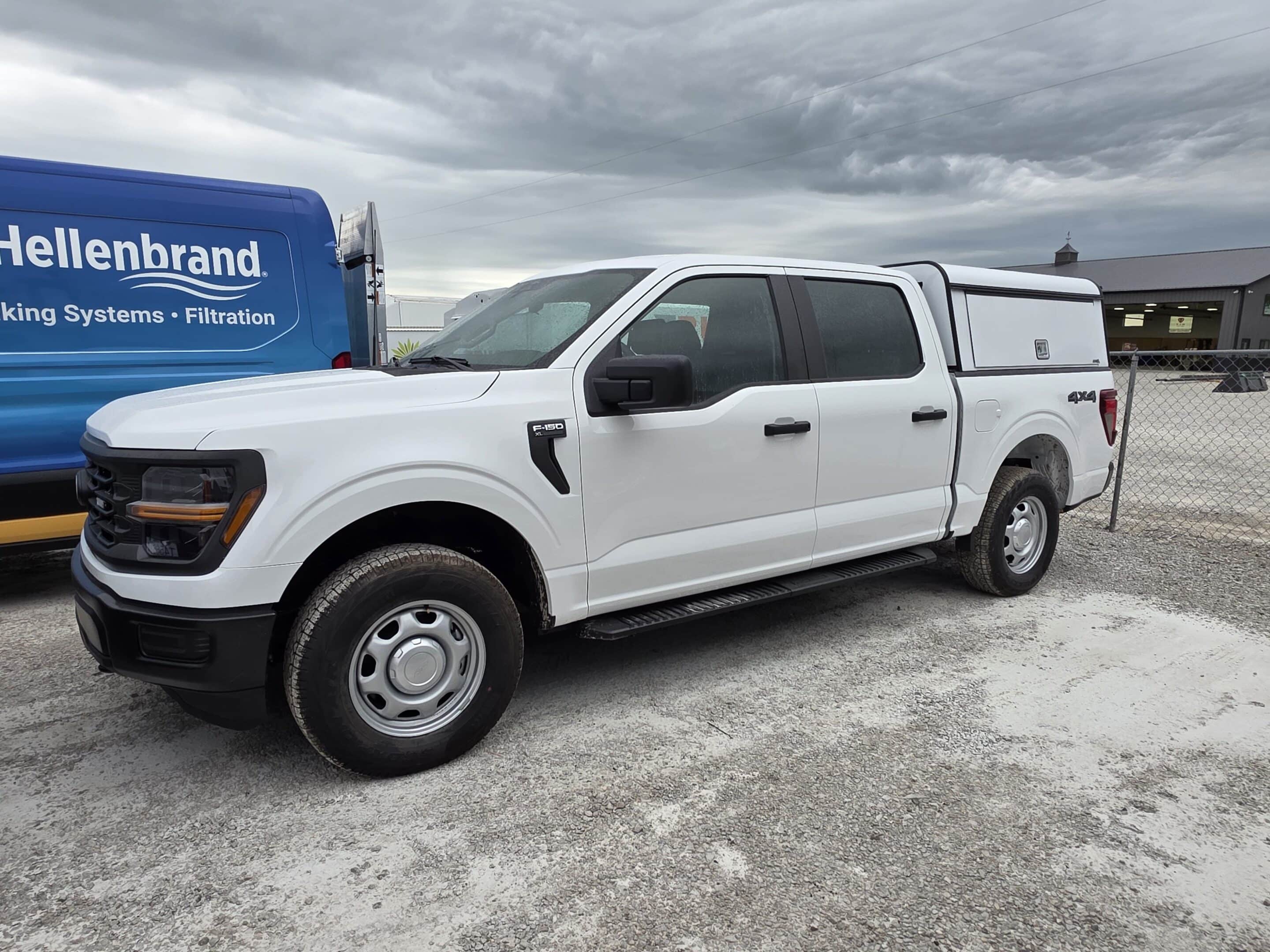
Work trucks are built to work.
That means scratches, worn hardware, faded paint, and the occasional repair are all part of the job. But eventually every fleet manager, contractor, municipality, and business owner reaches the same question:
Is this equipment still worth fixing?
Sometimes the right answer is a repair. Sometimes a larger refurbishment can give an otherwise capable work truck several more productive years. And sometimes continuing to put money into aging equipment no longer makes sense.
Knowing the difference can help you make a better decision before downtime or an emergency repair makes the decision for you.
Age matters, but it should not be the only factor.
A heavily used five-year-old service body may be in worse condition than one that has been maintained for twice as long. Usage, environment, road salt, payload, maintenance habits, and the type of work all influence how equipment ages.
Start by looking at the body itself.
Check for:
Minor cosmetic wear is one thing. Structural deterioration is another.
When evaluating a steel service body, aluminum service body, mechanic body, platform, or dump body, the question should be whether the equipment can continue doing the job safely and reliably.
Not every problem is a reason to replace the body.
Commercial equipment is designed to be serviced, and plenty of normal wear items can be repaired or replaced over the life of the vehicle.
A repair may be the right answer when the underlying body is still solid and the problem is isolated.
Common examples include:
Knapheide, for example, maintains an extensive replacement-parts network for items ranging from latches and lights to shelves, doors, crane components, liftgates, and other work-truck equipment.
If the problem can be corrected without chasing a long list of other failures, repairing the existing equipment can be a practical way to protect your investment.
There is an important middle ground between repairing one component and replacing the entire setup.
Refurbishment can make sense when the equipment is fundamentally sound but has accumulated enough wear that several areas need attention at once.
Depending on the body and its condition, refurbishment might include:
Knapheide’s discussion of work-truck refurbishment identifies repainting, undercoating, hardware replacement, body repairs, and hydraulic preventive maintenance among the work that may be included in a refurbishment program.
This can be especially attractive when the chassis still has plenty of useful life and the current body already fits the crew’s workflow well.
Surface wear and aging hardware are much easier to justify repairing than significant structural deterioration.
There is less reason to invest heavily in a body sitting on a chassis that is already approaching replacement.
If crews like the existing setup and it still fits the job, refreshing it may be smarter than redesigning everything.
When hinges, lighting, hydraulics, paint, and hardware all need attention, bundling the work into a refurbishment can make more sense than handling each issue separately.
If the equipment can be restored economically, keeping an existing vehicle productive may be the better operational decision.
There is also a point where repairing equipment becomes throwing good money after bad.
One repair does not necessarily signal a problem. Repeated repairs do.
If the truck is constantly coming out of service, parts are becoming harder to source, or the body no longer fits the work, replacement deserves serious consideration.
Warning signs include:
Downtime needs to be part of that calculation too.
A repair invoice is easy to see. The cost of a truck repeatedly sitting in the shop can be harder to quantify, but it still affects the business.
Sometimes equipment needs replacement even when it is still functional.
Businesses change.
Maybe crews are carrying more tools than they were five years ago. Perhaps a technician now performs repairs that used to happen back at the shop. Maybe heavier equipment requires a crane. Or an operation that once needed basic cargo space now needs specialized storage.
That can turn an aging but functional body into the wrong body for the job.
If your crew has outgrown a traditional service setup, for example, it may be worth comparing whether a more specialized mechanic body would better support field repairs and heavier equipment.
The goal is not just to make old equipment survive. It is to make sure the vehicle still supports the operation.
A work body and chassis operate as one system.
Before investing significantly in either refurbishment or replacement, consider:
This is especially important if a body is being moved, modified, or replaced. NTEA notes that when a body is changed on a previously certified used vehicle, the modifier remains responsible for ensuring the vehicle continues to comply with applicable Federal Motor Vehicle Safety Standards.
A body that physically fits is not automatically the right body for the chassis or application.
One of the biggest advantages of preventive maintenance is that it gives you choices.
When equipment is inspected regularly, problems can often be repaired before they become major failures. Knapheide notes that a preventive maintenance cycle can help reduce costly repairs, increase uptime, support productivity, and extend the useful life of work-truck equipment.
That means checking more than engine oil and tires.
Work-truck equipment deserves its own maintenance routine, including:
If you wait until something fails completely, your options get narrower.
Before winter starts putting additional demands on trucks and equipment, take a walk around the fleet.
Open every compartment. Run every hydraulic system. Check the lighting. Inspect the floors, mounting points, doors, hinges, latches, cranes, liftgates, and accessories.
Then separate what you find into three categories:
Repair now: Small issues that can be corrected before they become bigger problems.
Evaluate for refurbishment: Equipment that is fundamentally sound but needs multiple updates.
Plan for replacement: Bodies or accessories that are structurally compromised, unreliable, or no longer appropriate for the job.
That simple exercise can give you a much clearer picture of where to spend maintenance dollars.
Repairing equipment is often less expensive than replacing it today.
That does not automatically make repair the cheaper choice over the next several years.
The real calculation should include reliability, downtime, maintenance frequency, remaining useful life, employee productivity, and whether the equipment still fits the job.
Sometimes a relatively small service or repair is all an otherwise dependable work truck needs. Sometimes refurbishment makes sense. And sometimes replacing an aging truck body or upfit is the better long-term investment.
The goal is not to replace equipment too early or keep it too long. It is to recognize when the numbers, condition, and day-to-day performance are telling you it is time to make a change.