
July 31, 2026
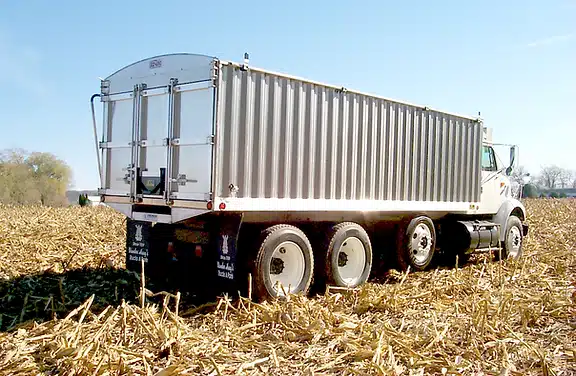
Harvest season leaves very little room for unreliable equipment.
When the schedule is tight and every load matters, a grain body needs to do more than hold material. It needs to load efficiently, unload cleanly, stand up to repeated use, and work properly with the truck underneath it.
Choosing the right setup before harvest can help reduce delays, avoid unnecessary repairs, and keep your operation moving during one of the busiest times of the year.
Not every agricultural operation asks the same things from its equipment. Before comparing models or features, consider how the truck will actually be used throughout the season.
Ask yourself:
A truck that makes occasional short trips may need a different setup than one expected to run long days throughout harvest. Building around the real workload helps prevent both overbuying and choosing a body that cannot keep up.
It is easy to focus on carrying as much as possible, but body capacity has to work with the chassis, payload limits, axle ratings, and overall vehicle configuration.
A larger grain body is not automatically the better choice if the completed truck cannot carry the intended load safely and legally. Body size, chassis class, cab-to-axle measurement, and the weight of any added equipment all need to be considered together.
Knapheide’s guide to work truck chassis and body compatibility explains why the body and chassis must be evaluated as a complete system rather than selected separately. Working with an experienced upfitter can help ensure the finished truck is properly matched to the work.
A grain body sees repeated loading, shifting weight, vibration, weather exposure, and seasonal wear. Construction quality directly affects how well it handles those demands over time.
Important areas to evaluate include:
The best material choice depends on the application. Steel is commonly selected for its strength and durability, while aluminum may offer weight savings and corrosion resistance. The right answer depends on the loads being carried, road conditions, maintenance expectations, and the chassis being used.
A dependable grain body should be selected for the realities of agricultural hauling, not just how it looks when it is empty.
Loading gets the grain into the truck, but unloading efficiency often has the biggest impact on the workday.
A poorly designed tailgate, hoist, or control setup can slow down every trip. During harvest, even a small delay repeated across several loads can become a major productivity problem.
Consider:
The goal is predictable, controlled unloading. The operator should not have to fight the equipment or improvise around a design that does not fit the work.
Grain hauling involves heavy loads, moving equipment, changing terrain, and frequent loading and unloading. The body should support safe operation throughout that process.
OSHA’s loading and unloading guidance emphasizes the importance of using procedures appropriate for the material and equipment being handled. Operators should also follow the manufacturer’s instructions, understand the vehicle’s rated capacity, and inspect the truck before use.
A few practical habits can make a difference:
The equipment matters, but consistent operating procedures matter just as much.
Small design details often have a major effect during a long workday.
Steps, grab handles, ladders, lighting, tarp systems, and control placement can all make the body easier to inspect and operate. These features may seem secondary when comparing basic specifications, but they are the things operators interact with on every load.
When evaluating a grain body, consider:
A body that is easier to access is also more likely to be inspected and maintained consistently.
The middle of harvest is not the time to discover a worn hose, damaged hinge, faulty control, or weak mounting point.
Before the season begins, inspect:
Any concerns should be addressed before the truck enters daily service. Preventive maintenance does not eliminate every possible issue, but it reduces the chance of a predictable problem taking equipment out of operation at the worst possible time.
A grain body may be busiest during harvest, but many operations need the truck to provide value throughout the year.
Think about whether it will also be used for:
That may influence body size, side height, tailgate design, accessory choices, and the level of flexibility needed from the final build.
Waiting until equipment fails or harvest is already underway limits your options. It can lead to rushed decisions, temporary fixes, and more downtime than the operation can afford.
The right grain body should match the chassis, expected load, unloading process, and daily working conditions. Taking the time to plan those details before harvest helps create a truck that is safer, more efficient, and ready for the pressure of the season.
If your current setup is showing its age or no longer fits the way you work, now is the time to evaluate your options and schedule any needed truck equipment service before the busiest weeks arrive.