
May 1, 2026
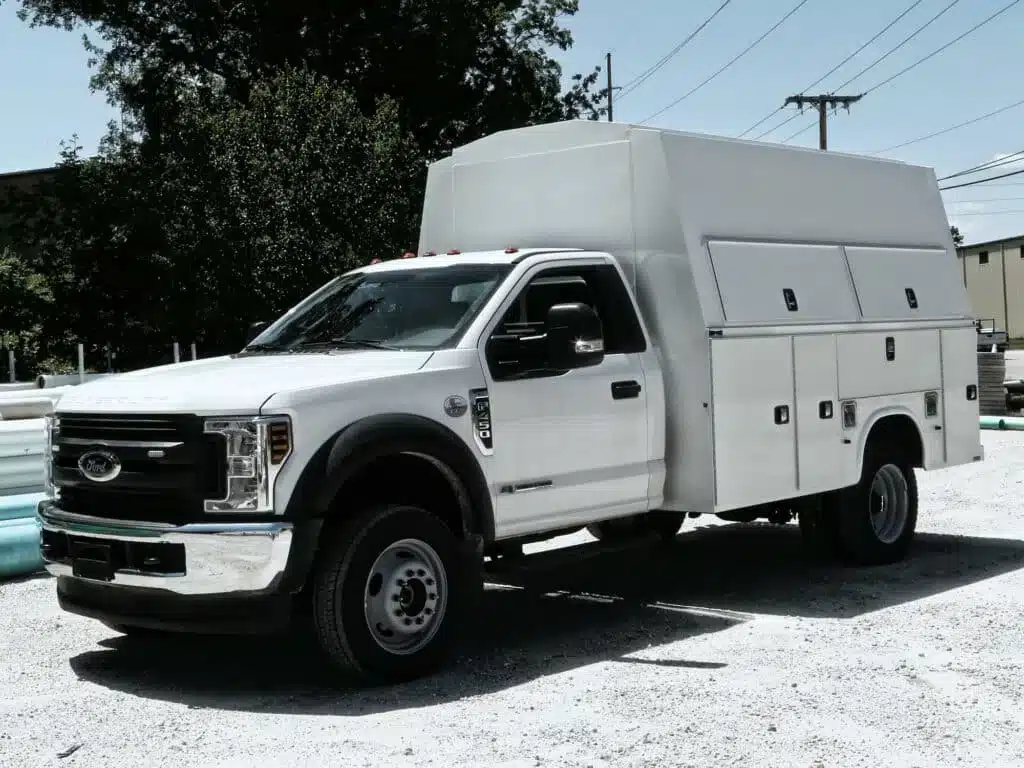
When it is time to choose a service body, one of the biggest decisions is material. Both steel and aluminum service bodies can be excellent choices, but the right one depends on how the truck will be used, what kind of environment it will work in, and what matters most to your operation over time.
Some buyers start with cost. Others focus on durability, weight, or corrosion resistance. The better approach is to step back and ask a more useful question: which body best supports the work this truck will actually do every day?
A service body turns a truck into a more functional mobile workspace. Instead of relying on a standard pickup bed, crews get dedicated compartments, improved organization, more secure storage, and a setup that supports daily field work.
Clark Truck’s current lineup includes both steel service bodies and aluminum service bodies, which makes this comparison especially useful for buyers who are actively weighing both options.
Steel remains a popular choice for a reason. It is known for strength, durability, and its ability to stand up to demanding jobsite conditions.
Clark Truck’s steel service body page highlights features like galvanneal steel construction, enclosed storage options, customizable shelving and drawers, and organized side compartments designed for productivity. Their steel lineup also includes KUV-style enclosed bodies for crews that want added protection and secure storage.
Aluminum service bodies have become increasingly attractive for businesses that want a lighter-weight solution without giving up professional organization and utility.
Clark Truck’s aluminum service body page positions aluminum as a durable, work-ready option within its truck equipment lineup, especially for businesses looking for long-term performance and versatility.
Knapheide, one of Clark’s key partners, also offers aluminum utility body options and generally emphasizes the benefits that buyers often look for in this category: reduced body weight and strong resistance to corrosion in demanding environments.
In Indiana, trucks often deal with a mix of rain, road salt, temperature swings, and hard commercial use. That means both durability and corrosion resistance are worth thinking about.
If your truck will be used in rough, high-impact conditions and toughness is the biggest concern, steel may be the right fit. If your business wants to reduce body weight and place more emphasis on corrosion resistance over the long term, aluminum may have the edge.
There is not one universal winner. The better choice is the one that aligns with the truck’s actual application.
Before deciding between steel and aluminum, it helps to answer a few practical questions:
Those answers usually make the decision much clearer.
Body material is only one part of the equation. The truck should be planned as a full system, including storage layout, access needs, and any lifting equipment required for the job.
NTEA has emphasized that work-truck design decisions should account for how the vehicle will be used in the field, not just what looks good on a spec sheet. That includes body choice, equipment integration, and long-term operational fit.
If your crews regularly move heavy tools, equipment, or materials, it is also worth thinking about liftgates during the build. Tommy Gate offers options for service body applications, which can help improve both workflow and safety depending on the job.
Steel and aluminum service bodies both have clear advantages. The key is not choosing the “best” material in general. It is choosing the best fit for your business.
For some operations, that will be the rugged durability of steel. For others, it will be the lighter weight and corrosion resistance of aluminum. Either way, the most important thing is making the choice based on real job demands, not guesswork.
If you are comparing options, Clark Truck’s service department and body lineup can help you narrow down what makes the most sense for your truck, your crew, and the kind of work you do every day.
When it is time to choose a service body, one of the biggest decisions is material. Both steel and aluminum service bodies can be excellent choices, but the right one depends on how the truck will be used, what kind of environment it will work in, and what matters most to your operation over time.
Some buyers start with cost. Others focus on durability, weight, or corrosion resistance. The better approach is to step back and ask a more useful question: which body best supports the work this truck will actually do every day?
A service body turns a truck into a more functional mobile workspace. Instead of relying on a standard pickup bed, crews get dedicated compartments, improved organization, more secure storage, and a setup that supports daily field work.
Clark Truck’s current lineup includes both steel service bodies and aluminum service bodies, which makes this comparison especially useful for buyers who are actively weighing both options.
Steel remains a popular choice for a reason. It is known for strength, durability, and its ability to stand up to demanding jobsite conditions.
Clark Truck’s steel service body page highlights features like galvanneal steel construction, enclosed storage options, customizable shelving and drawers, and organized side compartments designed for productivity. Their steel lineup also includes KUV-style enclosed bodies for crews that want added protection and secure storage.
Aluminum service bodies have become increasingly attractive for businesses that want a lighter-weight solution without giving up professional organization and utility.
Clark Truck’s aluminum service body page positions aluminum as a durable, work-ready option within its truck equipment lineup, especially for businesses looking for long-term performance and versatility.
Knapheide, one of Clark’s key partners, also offers aluminum utility body options and generally emphasizes the benefits that buyers often look for in this category: reduced body weight and strong resistance to corrosion in demanding environments.
In Indiana, trucks often deal with a mix of rain, road salt, temperature swings, and hard commercial use. That means both durability and corrosion resistance are worth thinking about.
If your truck will be used in rough, high-impact conditions and toughness is the biggest concern, steel may be the right fit. If your business wants to reduce body weight and place more emphasis on corrosion resistance over the long term, aluminum may have the edge.
There is not one universal winner. The better choice is the one that aligns with the truck’s actual application.
Before deciding between steel and aluminum, it helps to answer a few practical questions:
Those answers usually make the decision much clearer.
Body material is only one part of the equation. The truck should be planned as a full system, including storage layout, access needs, and any lifting equipment required for the job.
NTEA has emphasized that work-truck design decisions should account for how the vehicle will be used in the field, not just what looks good on a spec sheet. That includes body choice, equipment integration, and long-term operational fit.
If your crews regularly move heavy tools, equipment, or materials, it is also worth thinking about liftgates during the build. Tommy Gate offers options for service body applications, which can help improve both workflow and safety depending on the job.
Steel and aluminum service bodies both have clear advantages. The key is not choosing the “best” material in general. It is choosing the best fit for your business.
For some operations, that will be the rugged durability of steel. For others, it will be the lighter weight and corrosion resistance of aluminum. Either way, the most important thing is making the choice based on real job demands, not guesswork.If you are comparing options, Clark Truck’s service department and body lineup can help you narrow down what makes the most sense for your truck, your crew, and the kind of work you do every day.